The Most Expensive Part of AI Is Not the Model: Hidden Bills and TOKEN Syndrome
Short version
The AI wave is no longer just about smarter models. It is becoming a hidden bill made of hardware, subscriptions, devices, attention, and anxiety. AI can make an individual step faster while making the complete workflow harder to manage. A new everyday symptom is emerging: TOKEN Syndrome—the constant fear of wasting tokens, running out of quota, or choosing the wrong model.

Figure 1: AI is not a free desk. It is infrastructure that must be paid for, maintained, and managed. Original illustration.
1. The AI wave has moved into the office
When people used to say “AI is here,” they usually meant a launch event, a chatbot, or an impressive demo. Today AI looks more like a new team that has moved into the office: one assistant writes code, another drafts documents, another creates images, another summarizes meetings, and another reformats what the previous assistants produced.
This team can make many individual actions faster. But faster actions do not automatically mean lower total cost.
The changes most people feel are small and cumulative: computer upgrades cost more; several AI subscriptions appear on the monthly statement; work requires moving context between multiple windows; employers expect AI-assisted productivity while the employee may provide the hardware and accounts; and the workday ends with one more question—how many tokens did I spend today?
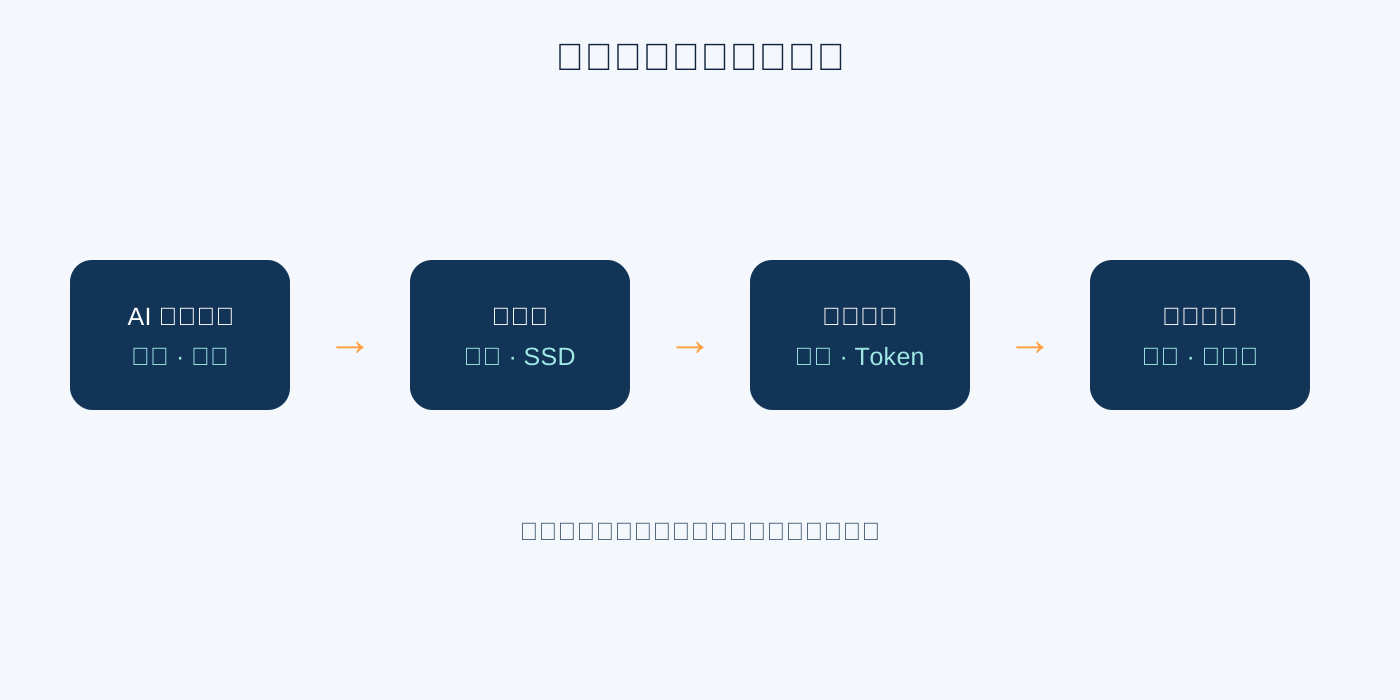
Figure 2: A long chain connects data-center demand to personal hardware, subscriptions, and attention.
2. The first bill: why memory and storage feel more expensive
AI models do not float in the cloud as magic. They run in data centers that need GPUs, HBM, DRAM, enterprise SSDs, networking equipment, and electricity. Training reads and writes huge datasets. Inference serves many users at once. Longer contexts require more data to be moved and temporarily stored.
Think of a city building a giant library. The first things to become scarce are professional shelves, delivery trucks, and warehouses. When those resources are tight, ordinary bookstores feel the pressure too. AI data-center orders do not literally take every consumer memory module, but they change factory priorities, product mix, and inventory allocation.
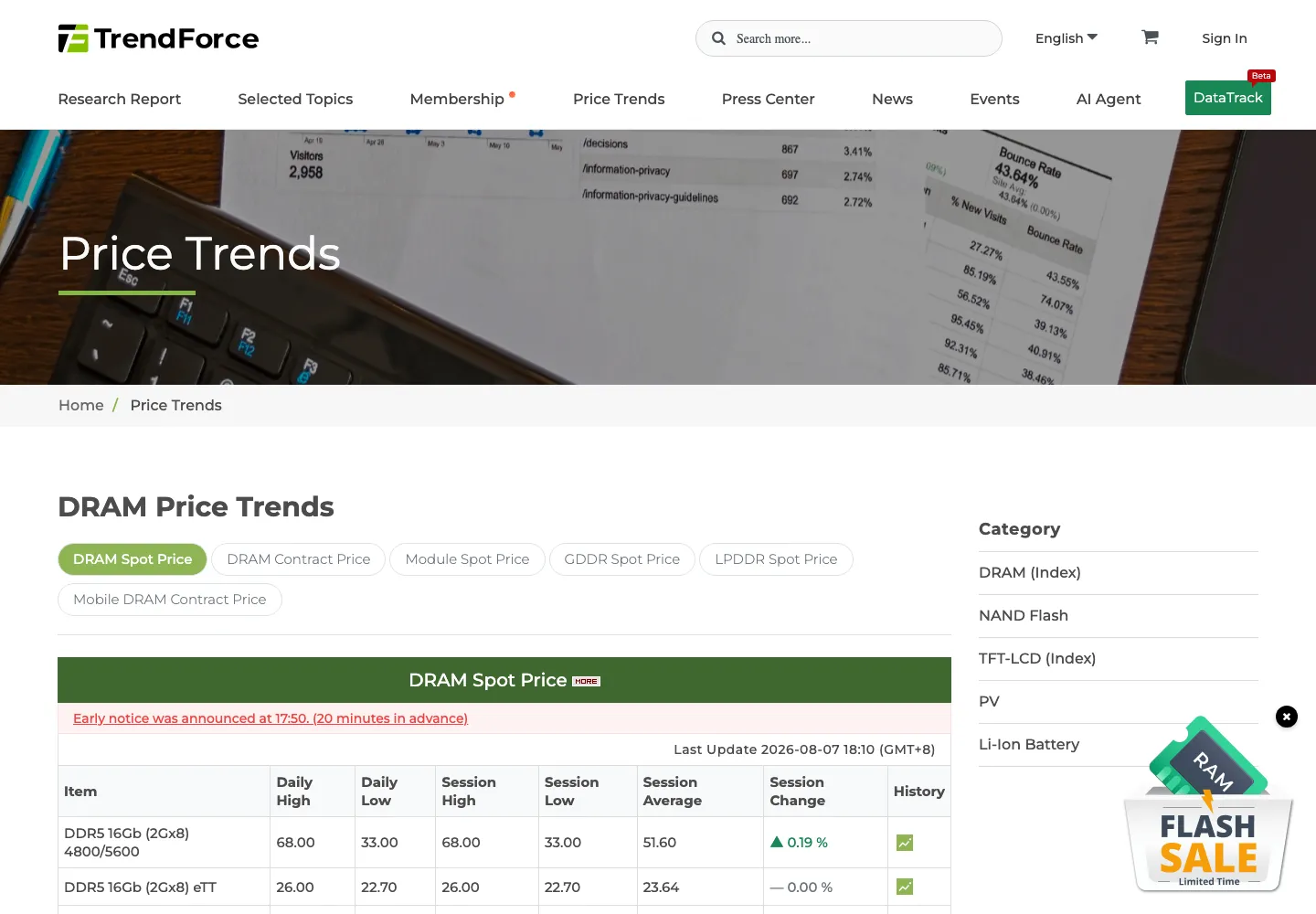
Figure 3: Screenshot of TrendForce’s public price-trends page. Market forecasts are evidence, not certainty.
DRAM, HBM, and NAND/SSD are different products, but parts of the supply chain overlap. Strong AI-server demand encourages suppliers to prioritize higher-value, higher-specification products. Consumer products may then see greater volatility in lead times, inventory, and pricing.
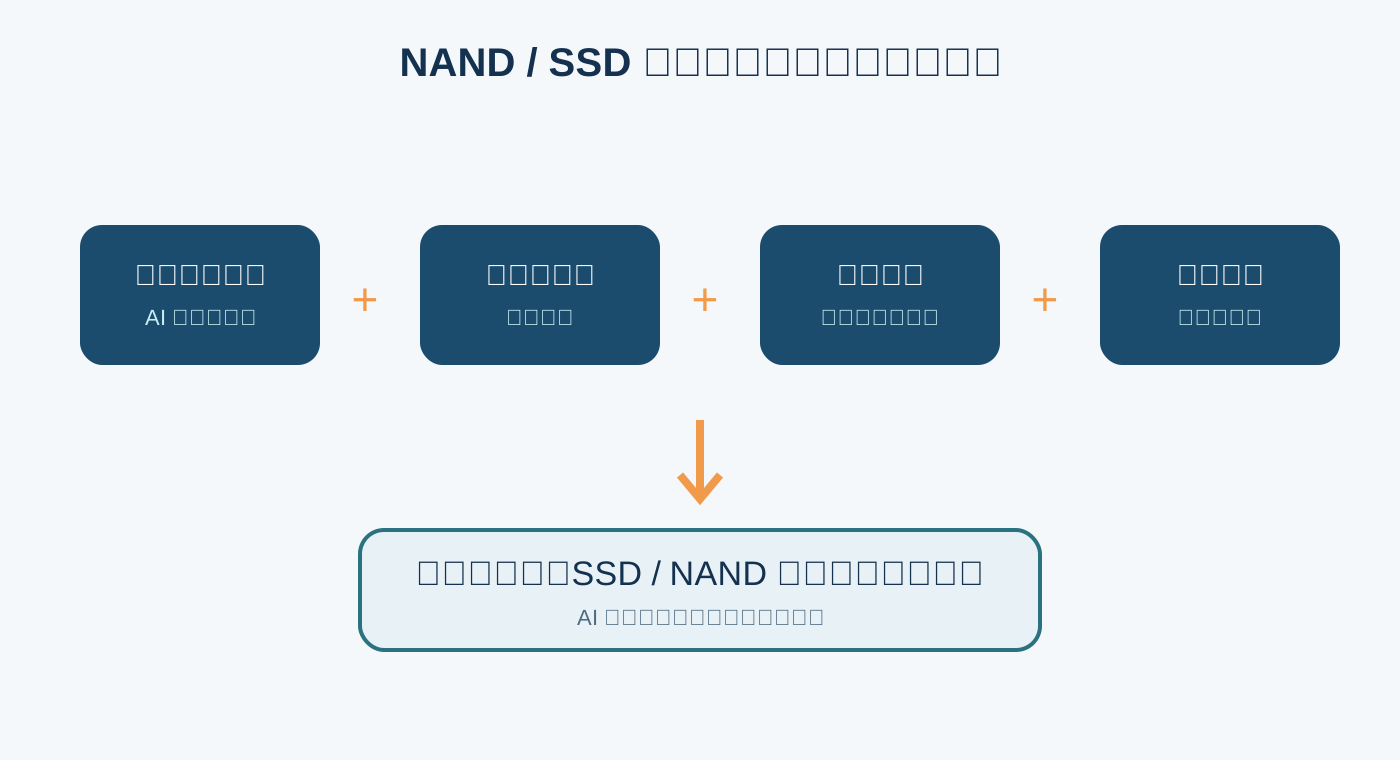
Figure 4: NAND/SSD supply-chain factors. AI is an important variable, not the only cause of every price movement. Original infographic.
The correct conclusion is not “AI appeared, therefore memory must rise.” Prices also depend on capacity changes, inventories, product structure, and vendor strategy. AI matters because it makes the demand shift larger and more visible to ordinary buyers.
3. The second bill: the road to paid employment
Software subscriptions are not inherently bad. The problem is that AI subscriptions multiply easily.
One tool writes, another codes, another searches, another records meetings, another creates images, another produces video, and another automates the workflow. Each individual plan may look affordable. Together they become an AI mortgage paid every month.
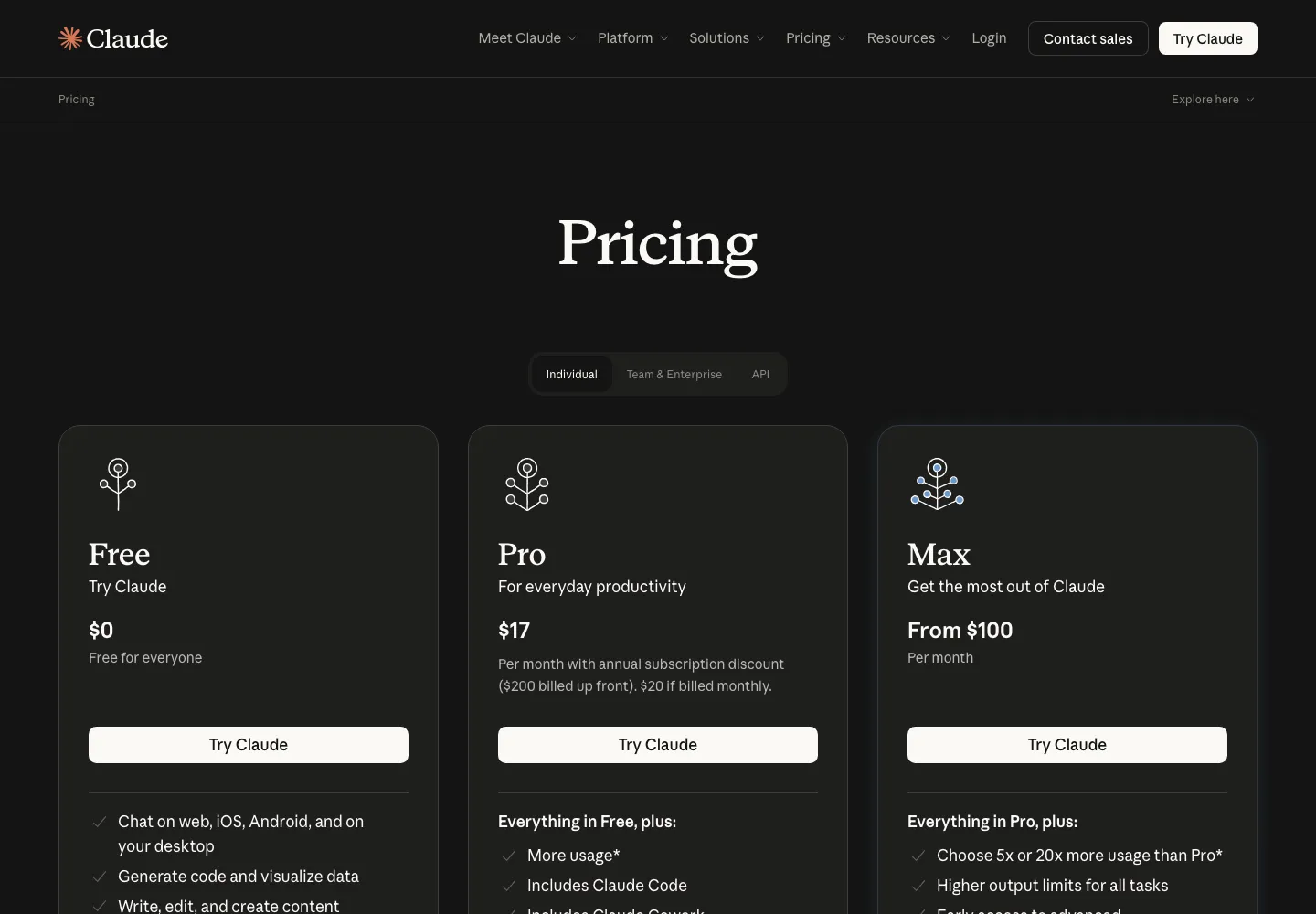
Figure 5: Screenshot of a public AI subscription pricing page. Plans and features change; verify current details before purchasing.
AI tools are also moving from optional personal consumption into work infrastructure. In the past, a company typically provided a workstation, email, VPN, and professional software. Now many workers are expected to have a capable laptop, reliable connectivity, multiple model accounts, and a personal library of prompts and workflows.
This is a new form of paid employment. The employer may never explicitly tell you to buy a particular tool, but opting out can make you slower. If you opt in, you absorb the subscription, learning, migration, and experimentation costs.
| Cost | What it looks like | What it really consumes |
|---|---|---|
| Model subscription | A monthly fee | Cash and account-management effort |
| Local device | A faster computer | Depreciation, power, storage, maintenance |
| Cloud quota | Tokens, calls, concurrency | Budget and anxiety |
| Learning | Prompts and workflows | Attention and evenings |
| Review | Checking AI output | Judgment, responsibility, rework |
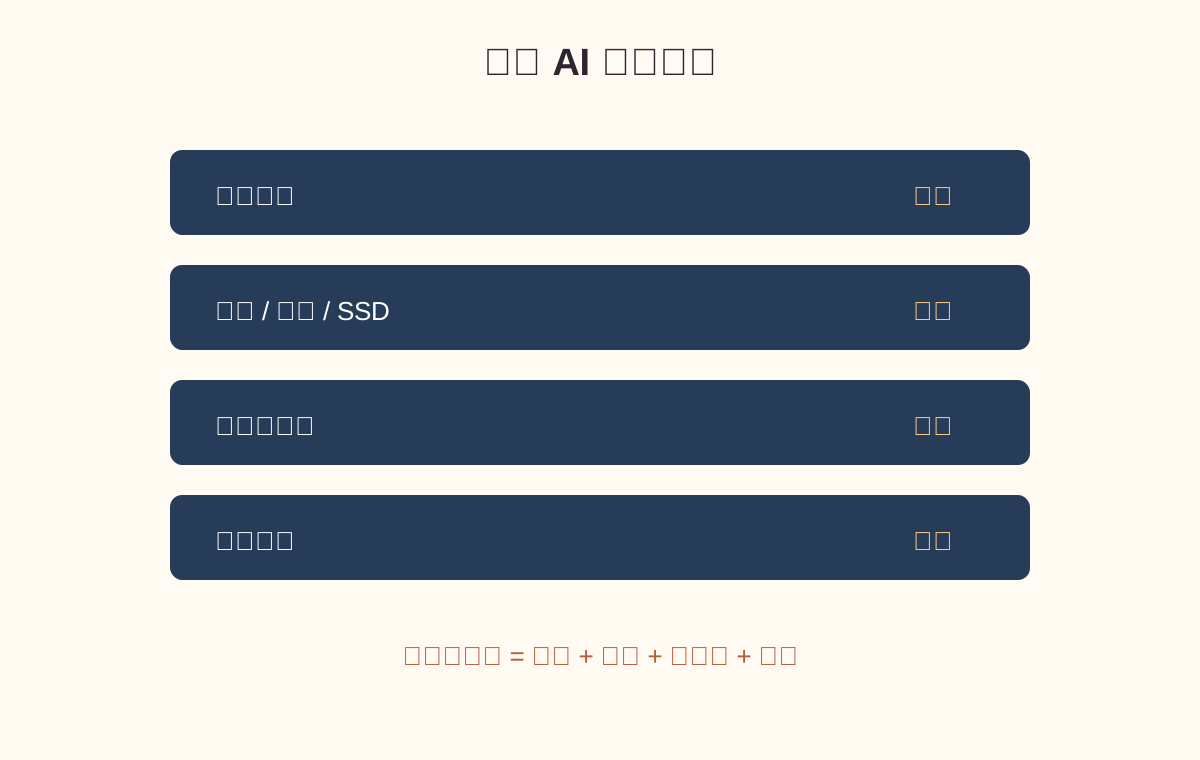
Figure 6: The real AI bill includes hardware, learning, migration, and review—not only the subscription fee.
4. The third bill: why more AI tools can mean more work
The first AI experience often feels like relief: ask a question, wait, receive a draft. That relief is real, but it covers only one part of the job.
A complete workflow often becomes:
- Choose the right model.
- Collect and structure context.
- Design the instruction.
- Handle rate limits, failures, and lost context.
- Check facts, logic, format, privacy, and copyright.
- Move the result into another tool.
- Revise again and take responsibility for delivery.
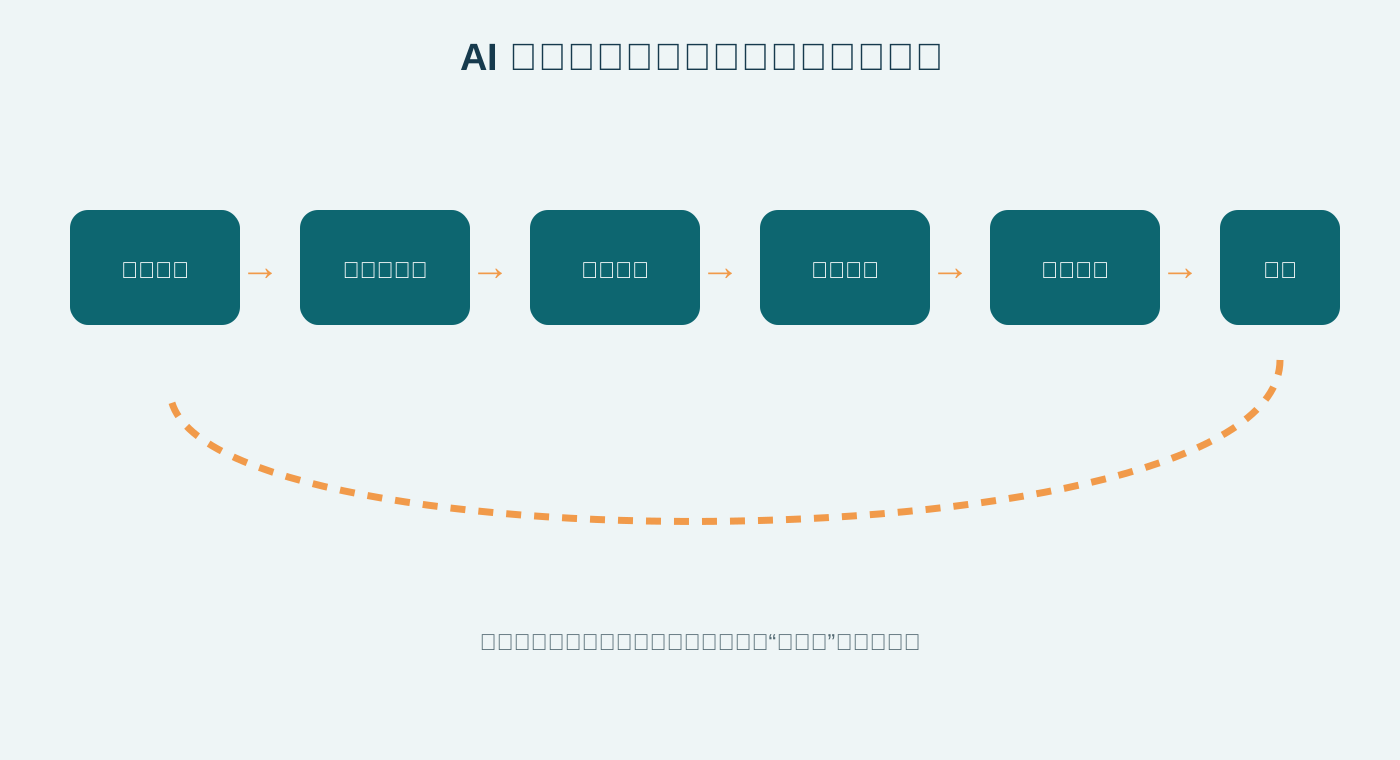
Figure 7: AI can shorten one action while lengthening the whole workflow.
Imagine ten smart interns arriving at once. Each can do part of a task, but none automatically knows the project context or company rules. You must assign, brief, inspect, correct, and sign off. Typing may take less time while information management and accountability take more.
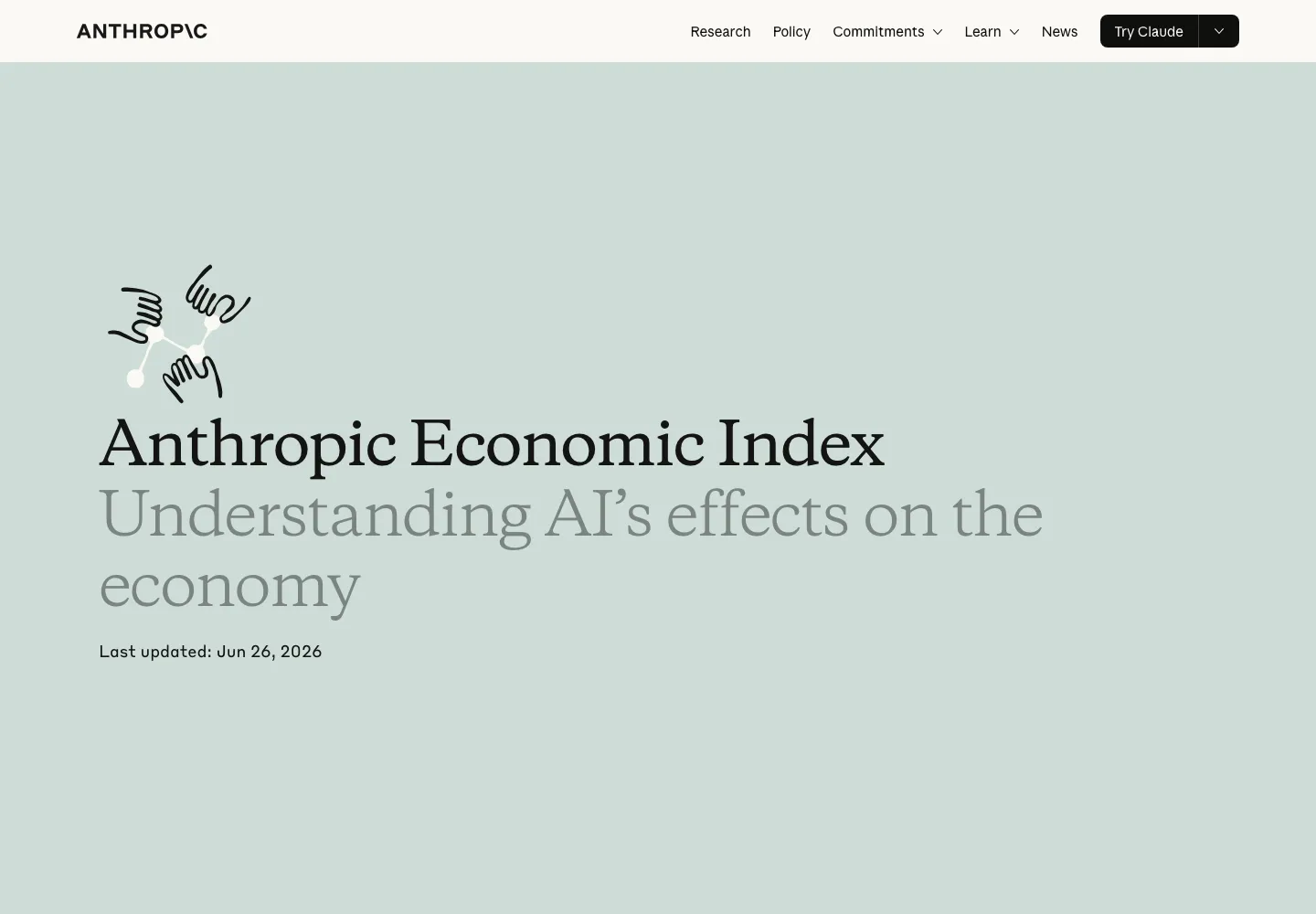
Figure 8: Screenshot of the public Anthropic Economic Index. Real adoption should be studied through task structure, not chat counts alone.
Microsoft Work Trend Index and similar workplace research discuss the arrival of AI agents and digital assistants in daily work. More agents do not automatically mean less management. When content can be generated faster, selection, coordination, verification, and responsibility become more important.
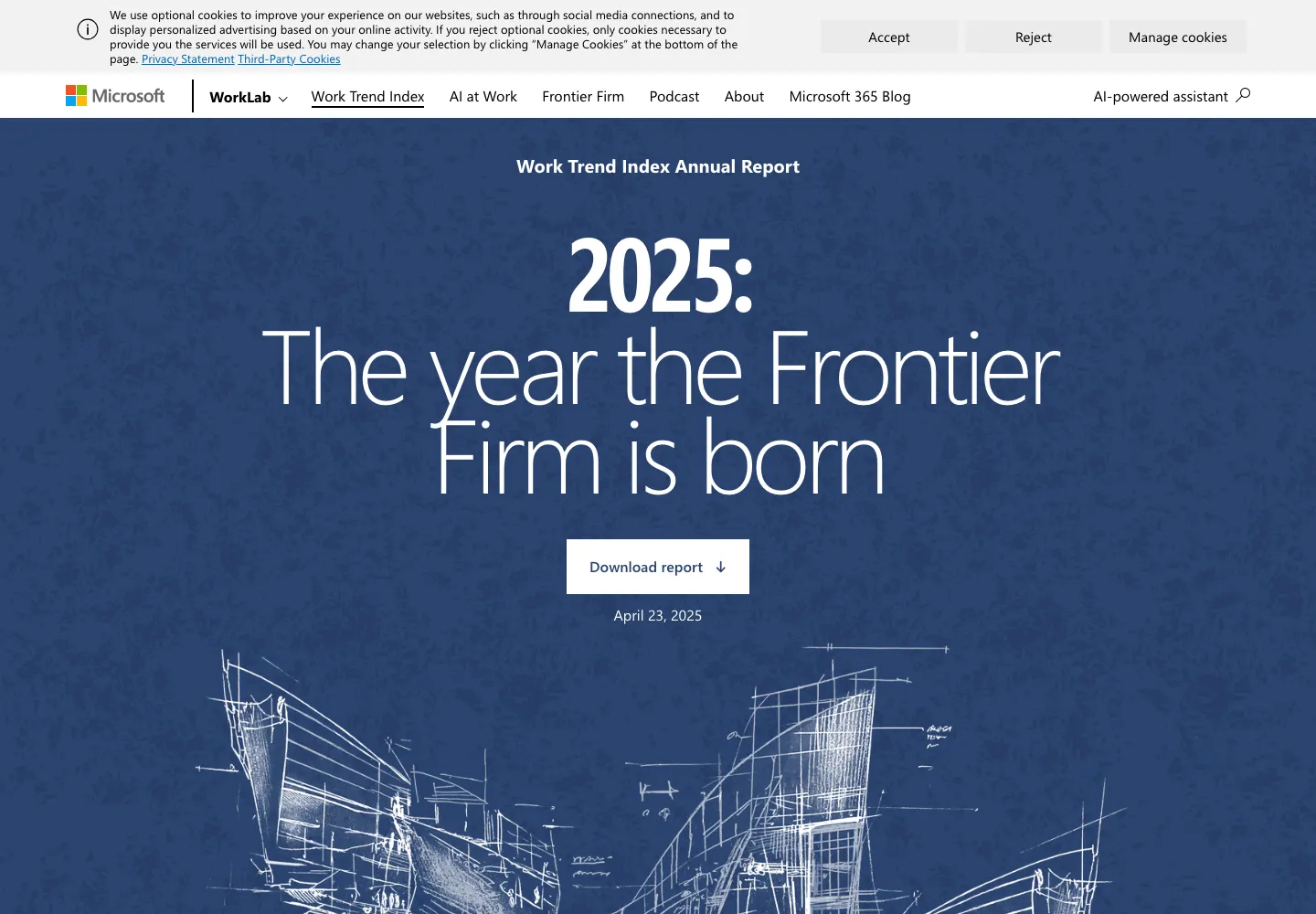
Figure 9: Screenshot of the public Microsoft Work Trend Index site.
5. The new symptom: TOKEN Syndrome
If hardware inflation pressures the wallet and subscriptions pressure the bank statement, TOKEN Syndrome pressures the mind.
I use the term to describe a persistent digital-work anxiety about token consumption, context length, quota limits, model prices, and reset times. It is not a medical diagnosis. It is a compact name for an increasingly recognizable user experience.
Typical symptoms include:
- Thinking about token cost before writing a sentence.
- Avoiding necessary background because the context might be too long.
- Checking quota repeatedly, like checking mobile data.
- Worrying that today’s work will consume tomorrow’s allowance.
- Splitting a request too aggressively to save tokens, then spending more time on back-and-forth clarification.
- Spending longer comparing cheap and expensive models than the price difference is worth.
- Delaying a valuable task because using the model feels like wasting a scarce resource.
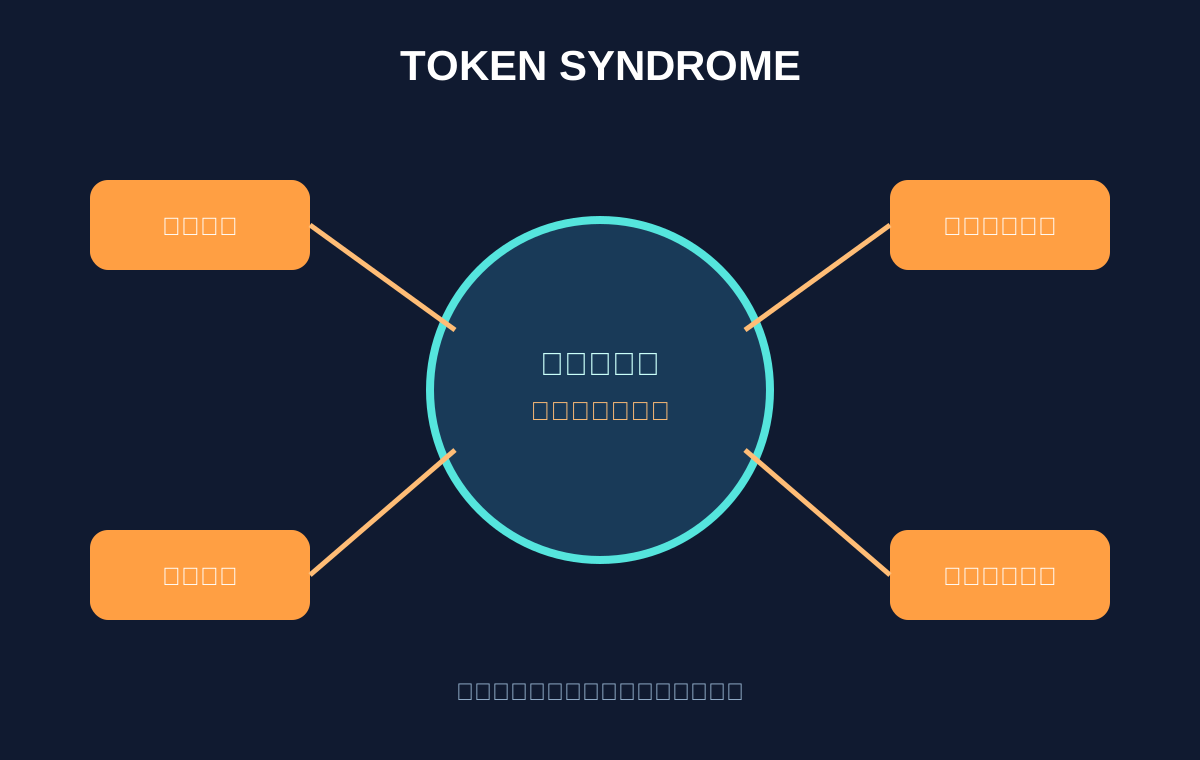
Figure 10: TOKEN Syndrome is a loop: fear of consumption leads to over-calculation, which steals attention from the task.
Tokens are simply a unit used to process text. They are like grams in a kitchen, weight in shipping, or data in a mobile plan. Once tied to price, latency, context windows, and work permissions, however, they become a kind of digital air.
We used to worry about running out of mobile data. Now we worry about running out of thinking data. The dangerous part is not a few extra dollars. The dangerous part is that fear changes decisions: people avoid exploration, avoid asking useful questions, and turn simple work into a constant cost calculation.
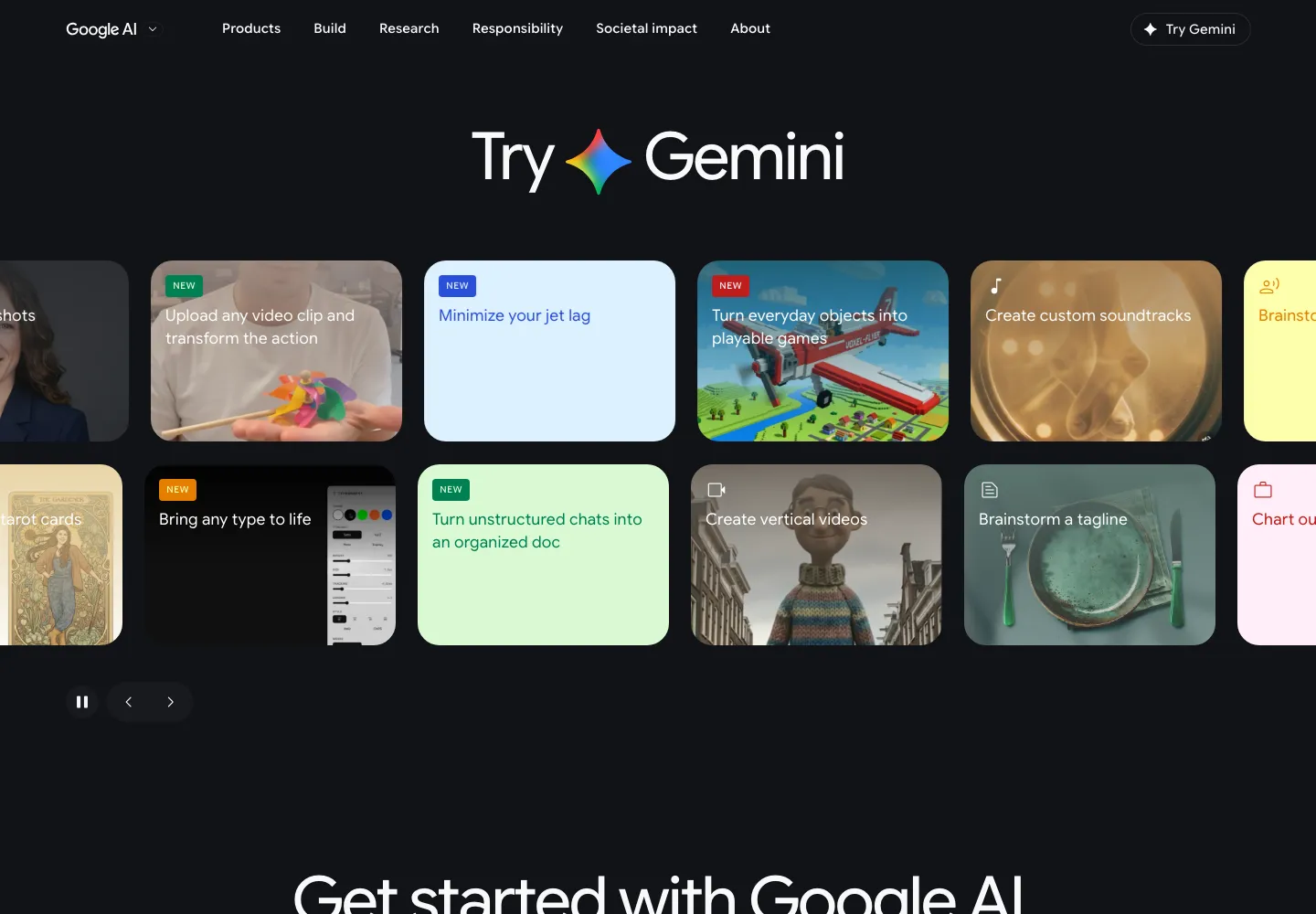
Figure 11: A public AI-product page. As entry points multiply, users must manage not only answers but also models, quotas, context, and accounts.
6. The shared root causes
6.1 AI infrastructure is heavy
Models require compute, memory, storage, networks, and power. The cloud hides the machinery behind an input box, which makes a question feel free. The cost has not disappeared; it has moved behind the interface.
6.2 Platforms package complexity as simple plans
Monthly plans are easy to understand and easy to buy. But “unlimited,” “advanced,” and “faster” still require resource allocation. Providers use quotas, queues, tiers, and prices to manage finite capacity.
6.3 Productivity gains and usage costs are separated
Organizations want faster delivery but may not provide unified accounts, training, devices, and review rules. The organization sees the productivity gain; the individual absorbs the operational cost.
6.4 Faster generation creates more demand
When drafts become cheap, the number of drafts grows. A team that once produced three documents may now produce ten. Customers do not necessarily ask for less. Selection, review, and coordination expand with output.
7. How to lower the AI burden
First, do not subscribe to every popular tool. Set a limit: one primary model, one fallback, and a small experimental layer.
Second, classify tasks by value. Exploration and simple rewriting rarely need the most expensive model. Production code, contracts, sensitive material, and consequential decisions need reliability and control rather than a blind race to the cheapest option.
Third, stabilize the workflow. Moving the same context across many tools is a hidden tax. A boring, repeatable process often saves more time than another subscription.
Fourth, set a token budget, not a token fear. A budget helps you choose. It should not stop you from providing the context a valuable task requires.
Fifth, include review time in productivity calculations. If generation takes ten minutes and verification takes forty, the real gain is not ten minutes.
Finally, preserve some non-AI time. People need to read, think, and write independently to notice when a model is wrong. Total outsourcing of judgment may feel efficient today and create dependency tomorrow.
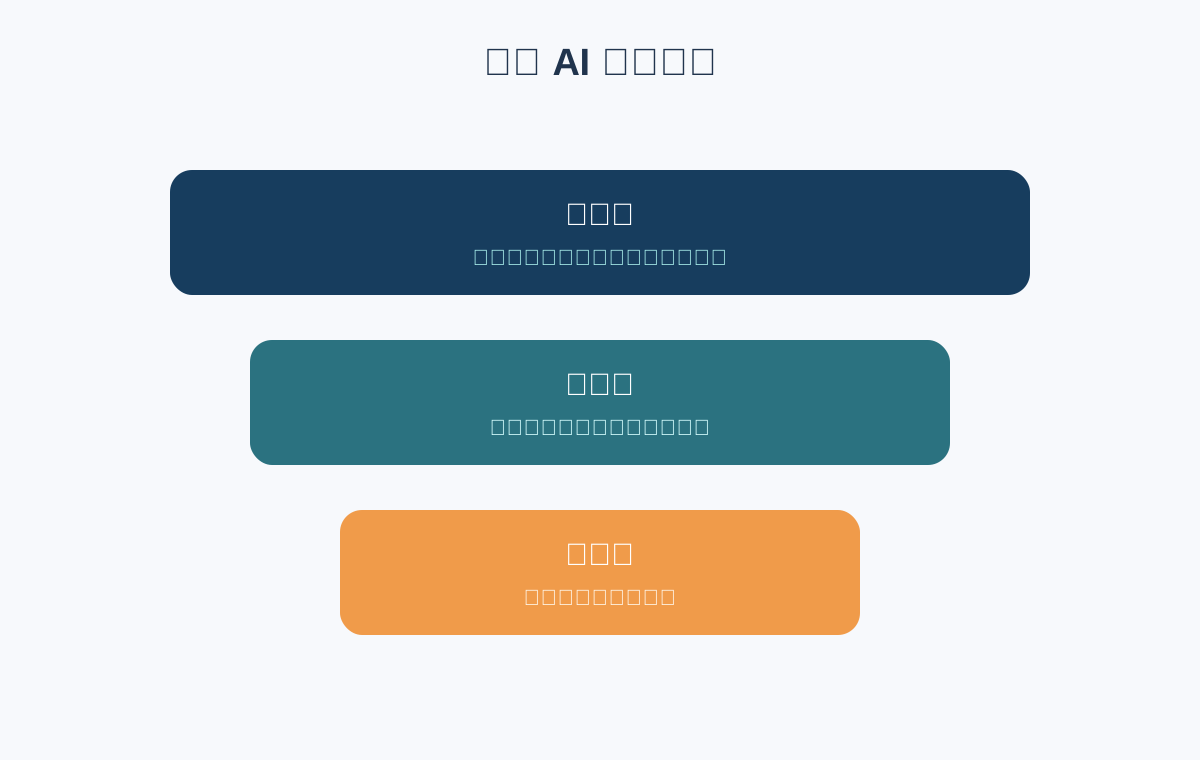
Figure 12: A primary, fallback, and experimental layer is easier to control than endless subscription stacking.
8. Closing: we need less loss of control, not simply more AI
There is nothing wrong with buying hardware, subscribing to services, or using powerful models. The important question is whether we know what we are paying for.
The payment may be money or device depreciation; tokens or attention; a subscription or evening study time; a generated draft or the responsibility we take for its errors.
AI should create more choice, not make people worry about quota every day. A healthy workflow does not send every task to a model. It knows when to use AI, why to use it, and when to turn it off.
Q&A
Is TOKEN Syndrome a real medical condition?
No. It is a metaphor for digital-work anxiety, not a diagnosis. If quota anxiety affects sleep, work, or daily life, reduce the trigger and seek professional support.
Does more subscription mean more productivity?
No. Switching, account management, context transfer, and review all cost time. A stable workflow with fewer tools often wins.
Does local AI eliminate token anxiety?
It can reduce cloud-quota anxiety, but it does not eliminate cost. You pay for memory, GPUs, storage, power, downloads, upgrades, and maintenance instead. The payment model changes from per-call spending to upfront infrastructure spending.
Will AI eventually make work easier?
Possibly—but only if organizations reduce low-value work rather than asking employees to generate more of it. The outcome depends on task volume, review standards, and responsibility boundaries, not model capability alone.
What should an ordinary user do first?
Inventory your AI assets: monthly subscriptions, devices, common tools, time saved, and rework created. Decide what to keep after seeing the full bill, not after seeing the next model launch.