24 Time Zones—or 25? Why the Real World Adds Another Answer: 38
The short answer
The familiar 24 time zones are an ideal model: divide the world’s longitude into bands of 15°. Listing every integer offset from UTC−12 through UTC+12 gives 25 labels, but it does not divide the planet into 25 full-width longitude bands.
Real civil time also includes half-hour and 45-minute offsets, date-line choices and daylight saving. The worldwide time listing consulted on September 8, 2026 showed 38 current offsets, including UTC−12. The named rule sets inside a computer are another category, with hundreds of entries.
Before asking how many time zones exist, ask: Are we counting geographic slices, UTC offsets at a particular instant, or complete sets of timekeeping rules?
1. How a little arithmetic seems to break a geography textbook
Imagine this conversation.
A child says, “Our teacher says the world has 24 time zones.”
An adult starts counting: “Twelve east of Greenwich, twelve west, and the zero zone. Twelve plus twelve plus one makes 25. Has the textbook got it wrong?”
Then somebody opens a world clock and finds Nepal at UTC+5:45. An island in the Pacific is at UTC+14. Suddenly, even the apparently clever answer of 25 fails to describe what is on the screen.
It is tempting to turn that into a dramatic revelation: geography class has been lying to us all along. But without the actual textbook passage, map and context, that verdict is premature. We should first check whether a model designed to answer one question has been used to answer a different question.
Think of a mathematics book drawing a perfectly round pizza to explain fractions. A slightly misshapen takeaway pizza does not invalidate fractions. However, insisting that every real pizza must be a perfect circle would be a mistake.
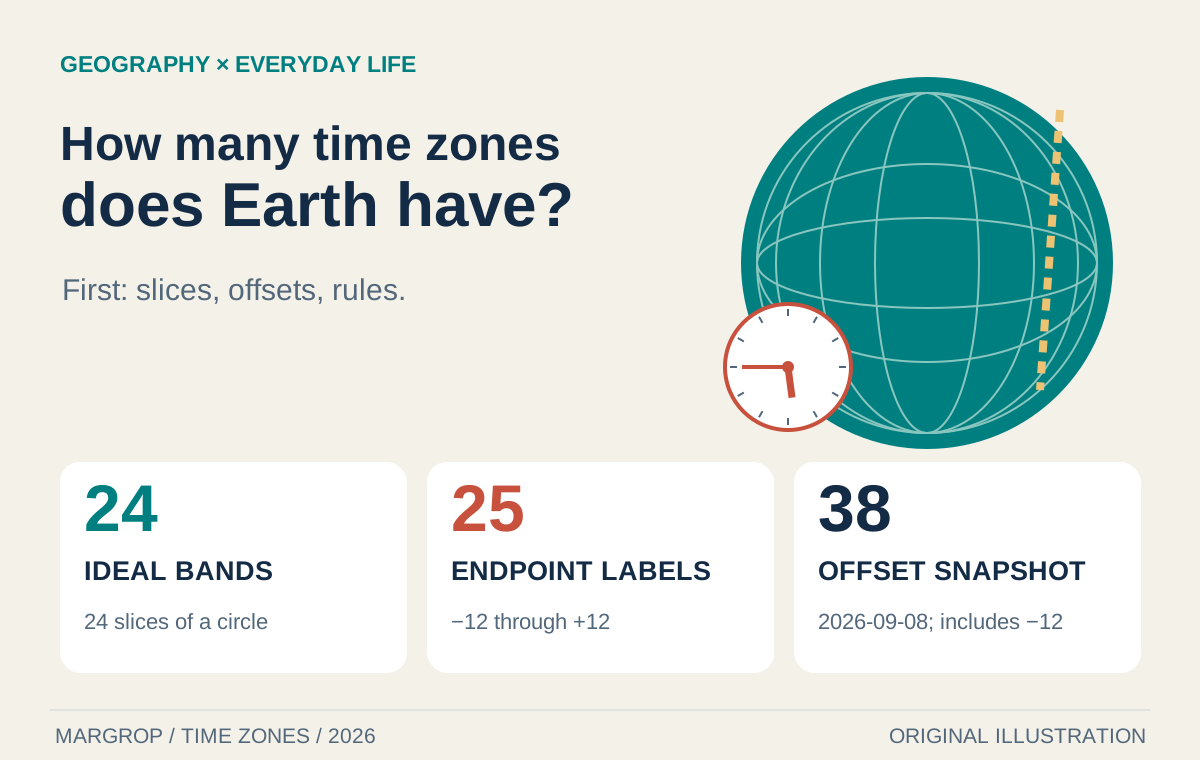
Figure 1: An original illustration generated for this article. The three numbers often answer three different questions.
2. Where 24 comes from: think of Earth as an orange
Places at different longitudes do not experience solar noon together. In general, places farther east encounter the Sun earlier than places farther west.
If every town kept its clock strictly according to its own local solar time, neighboring towns could differ by several minutes. That might be manageable when walking between them. It becomes awkward when coordinating trains, telephone calls or flights. A timetable whose every stop uses a slightly different clock is a recipe for confusion.
Standard time groups places together so that they agree to use the same clock setting.
The textbook model starts with two facts:
- A full circle of longitude contains 360 degrees.
- A mean solar day is divided into 24 hours.
Therefore:
360° ÷ 24 = 15°.
Make each band 15 degrees wide, assign a one-hour difference between neighboring bands, and the circle contains 24 bands. This uses the mean solar day of everyday timekeeping; it is not a claim that Earth rotates relative to the stars in exactly 24 hours.
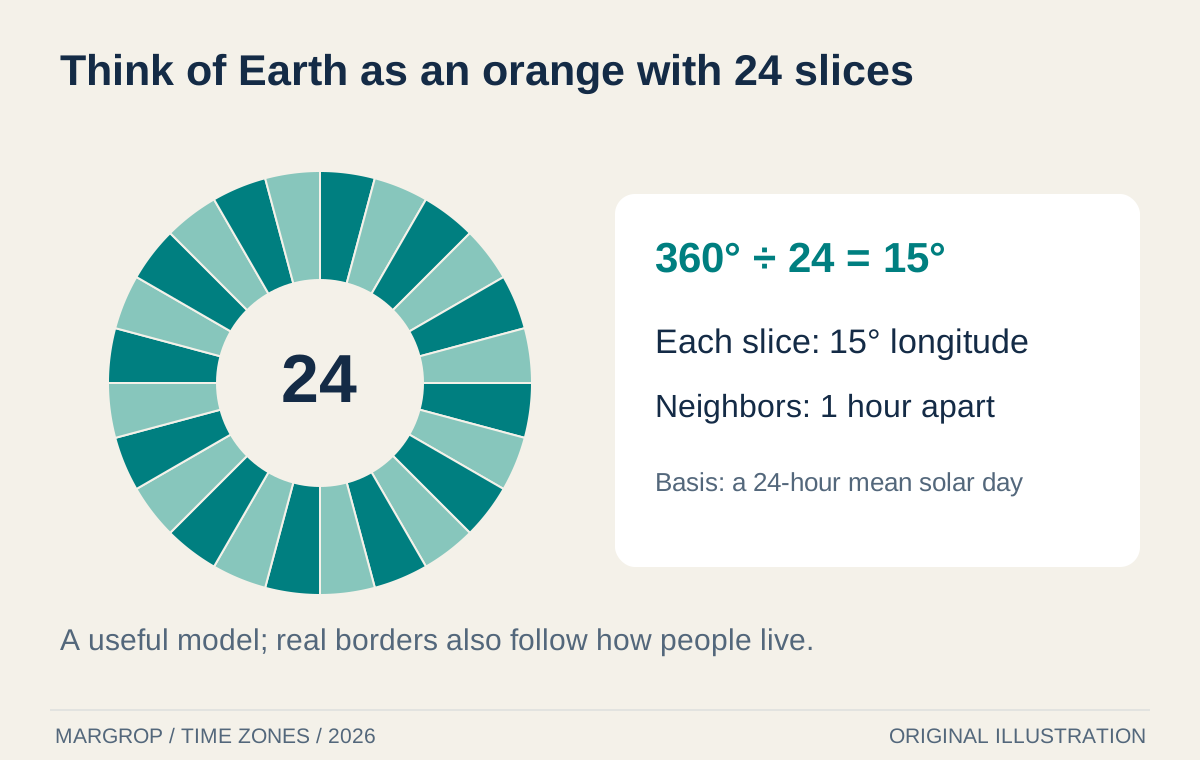
Figure 2: Each slice represents 15 degrees of longitude. This is a conceptual model, not a map of actual civil time-zone borders.
The orange analogy helps with the counting: first divide the orange into 24 segments, then decide what to call them. Changing the labels cannot make the orange grow another segment.
In the usual ideal arrangement, the zero zone is centered on the prime meridian and extends from 7.5° west to 7.5° east. Continue eastward and westward, and eventually you meet on the far side of the globe, near 180° longitude. That is where a circular arrangement meets the seam of a flat map.
3. Where 25 comes from: a circle has become a list
Let us acknowledge the arithmetic. Write the following labels:
−12, −11, …, −1, 0, +1, …, +11, +12.
There really are 25 of them. Nothing is wrong with the addition.
But this is a list that includes both endpoints. It is not a collection of 25 complete 15-degree bands.
In the ideal model, the band centered on 180° crosses the map’s seam. Cut the globe along that meridian and flatten it, and the band appears as half a band at one edge and half a band at the other.
The spatial count is therefore:
One zero zone + eleven eastern zones + eleven western zones + one combined twelfth zone = 24.
Label the two edge pieces “west twelve” and “east twelve,” and the flat drawing can display 25 pieces or labels. Their total width is still 23 full bands plus two half-bands, equivalent to 24 complete bands.
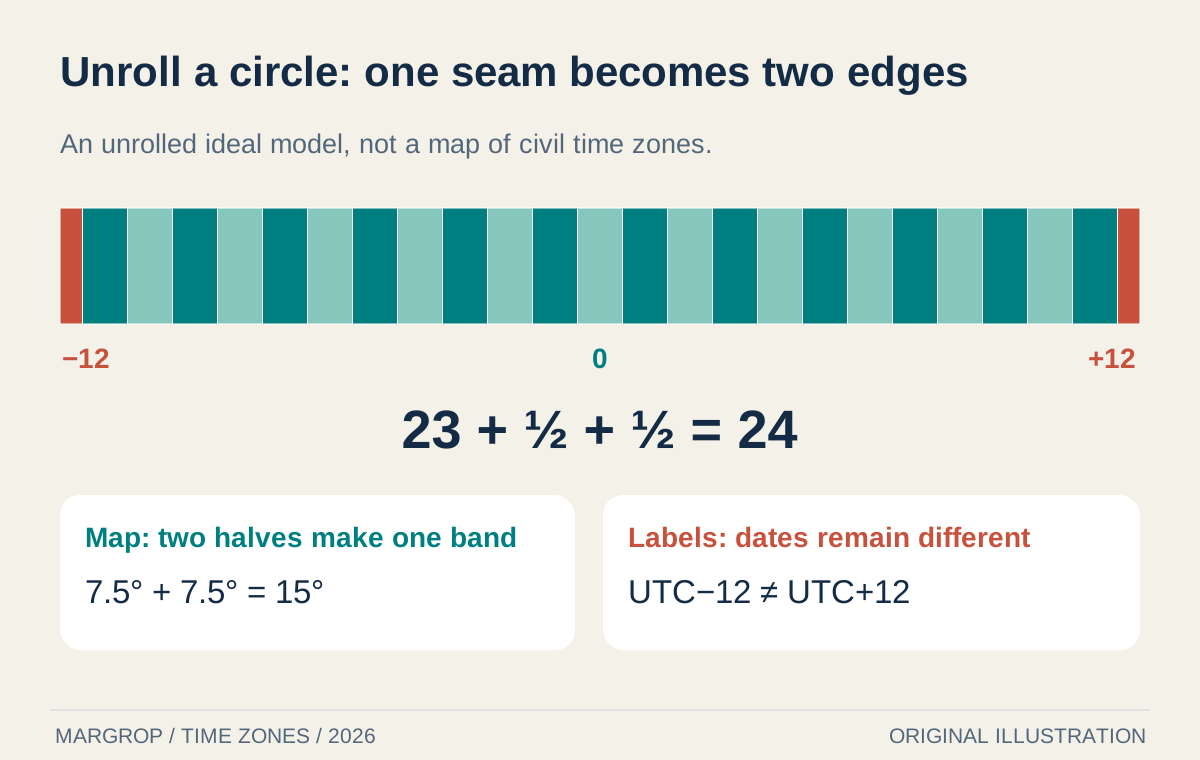
Figure 3: Unrolling a circle creates two edges. It does not automatically create two new full-width zones.
There is an essential qualification: UTC+12 and UTC−12 are not interchangeable offsets in an actual date-time calculation.
At 00:00 UTC on a particular date:
- UTC+12 reads 12:00 on that date.
- UTC−12 reads 12:00 on the previous date.
The clock faces show the same hour, but the calendars differ by a day. Two diaries can both have an entry for noon without being open to the same page.
These two statements can therefore both be true: the ideal twelfth band counts as one combined longitude band, and +12 and −12 represent different date-time offsets. The first statement concerns spatial division. The second concerns date-time representation.
This seam explanation also has a boundary of its own: it applies to the ideal model. The real International Date Line bends, and the actual geographic use of UTC+12 or UTC−12 cannot simply be replaced with the two half-bands in a classroom diagram.
4. The underlying misunderstanding: three meanings inside one word
A school timetable is a useful analogy for the next distinction.
First, you divide students into classes. That resembles a geographic partition.
Second, you ask how far a particular class’s clock is ahead of the common reference right now. That resembles a UTC offset.
Third, you take out the class’s complete timetable: its winter schedule, summer changes and previous revisions. That is closer to a computer’s time-zone rule set.
IANA’s official description says that its database records the history of local time for representative locations. It is updated when political decisions change boundaries, UTC offsets or daylight-saving rules.
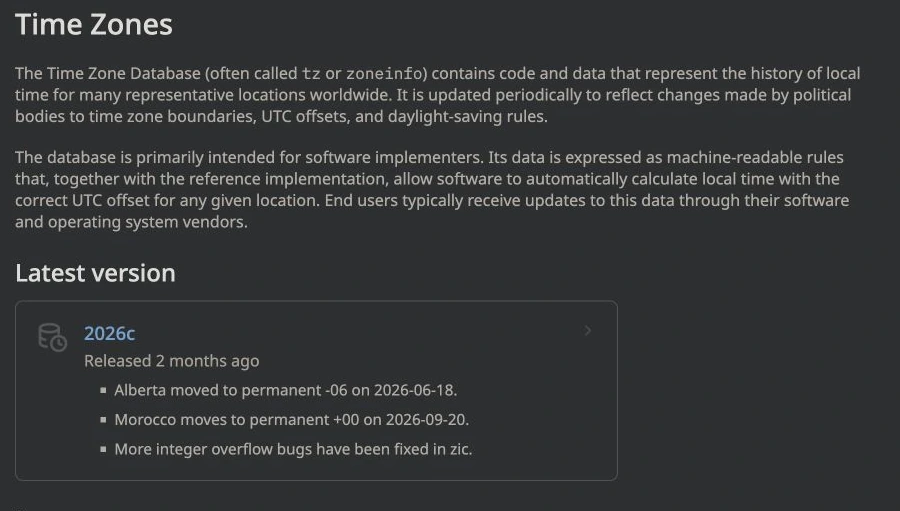
Figure 4: Real browser screenshot from IANA Time Zones, captured September 8, 2026. Cropped and converted to WebP; the page text has not been rewritten.
UTC stands for Coordinated Universal Time. For everyday conversions, treat it as the common time reference everyone agrees to use. It is not a command telling everyone on Earth to eat lunch simultaneously.
If a location has an offset of UTC+08:00, its local date and time equal the UTC date and time plus eight hours. Crossing midnight changes the date too.
Names such as Asia/Shanghai and America/New_York point to rule sets. One rule set can produce different offsets on different dates.
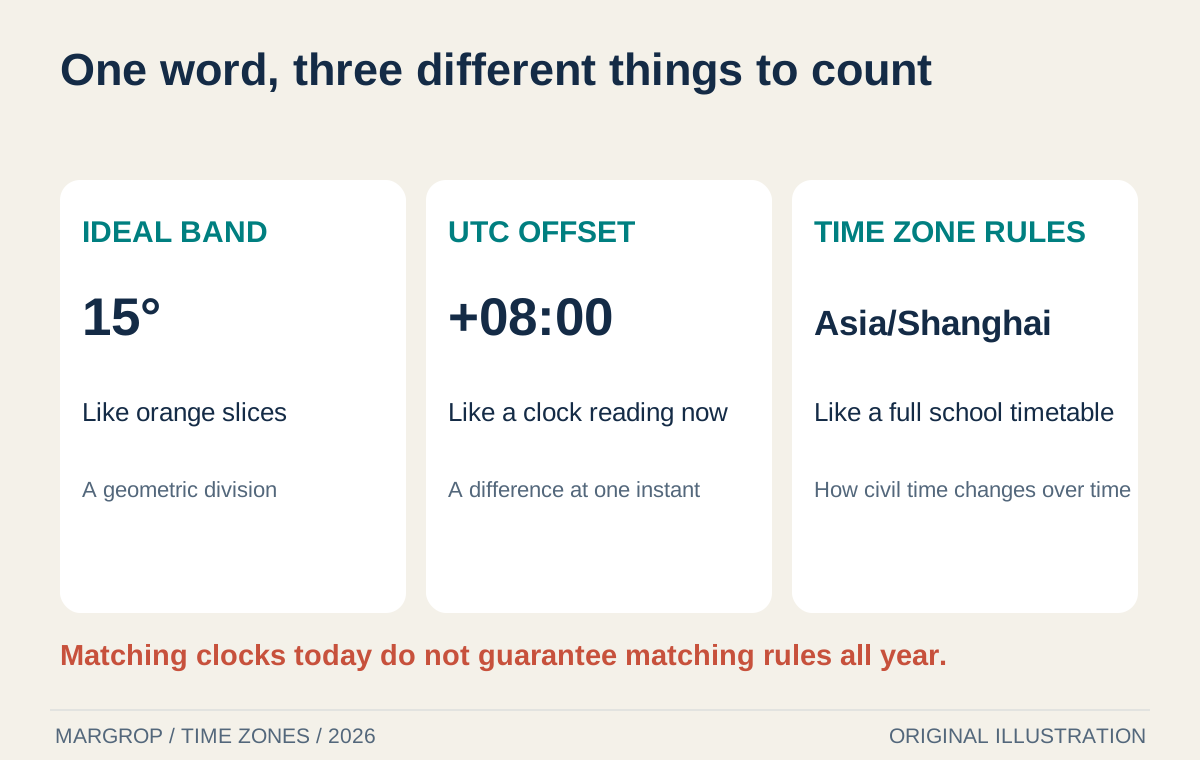
Figure 5: Matching clocks today do not prove that two places follow the same rules throughout the year, or did so in the past.
5. So how many are there in practice? Give 38 its instructions
We should avoid replacing “24” with “38” and memorizing another number without its meaning. Here is what each count actually measures.
| The question being counted | The answer used here | What it does not mean |
|---|---|---|
| How many ideal 15-degree bands cover the globe? | 24 | Every real administrative time zone |
| How many integer labels run from −12 through +12, including zero and both ends? | 25 | Twenty-five full-width ideal bands |
| How many current offsets did the September 8, 2026 reference page list? | 38, including UTC−12 | An eternal total for all meanings of “time zone” |
How many geographic representative records are in IANA 2026c’s zone1970.tab? |
312 | Three hundred and twelve current offsets, or the complete alias count |
On that date, timeanddate’s time-zone count page displayed “Currently 38 Different Local Times in Use.” Its table distinguishes UTC offsets and includes a UTC−12 entry for Baker Island.
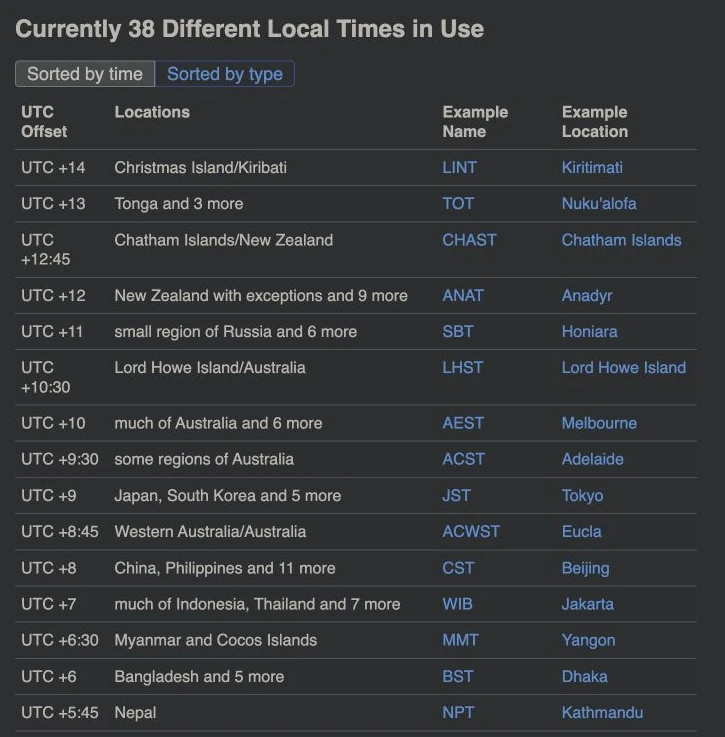
Figure 6: Real browser screenshot from How Many Time Zones Are There?, captured September 8, 2026. This is a dated snapshot.
I also checked the result independently. I downloaded the official data and code from IANA release 2026c, compiled the data in a separate directory, and calculated the offsets of the representative locations in zone1970.tab at September 8, 2026, 00:00 UTC. I then removed duplicate offsets.
The result was:
- 312 geographic representative records produced 37 different offsets.
- Including the fixed offset UTC−12 brought the total to 38.
- At that instant, the 38 comprised 27 whole-hour offsets and 11 non-whole-hour offsets.
Why call out UTC−12? Baker Island is uninhabited, as its US Fish and Wildlife Service description confirms. A table of representative geographic locations does not necessarily need a separate city-style entry for such a place. A map’s inclusion of an uninhabited island’s date offset and a database’s selection of representative locations are different scopes. IANA’s naming principles also explain that uninhabited places without a defined local time do not need representative locations.
The offset audit data records the database version, snapshot times, offset lists and representative locations. In this calculation, 37 and 38 are compatible results: we can state exactly what was added.
Another subtle distinction is between offsets used at one instant and all offsets encountered over an entire year. Chatham Islands use UTC+12:45 and UTC+13:45 in different seasons. You cannot place both in a single day’s “currently used there” list merely because both occur during the year.
The snapshot date, seasonal rules, treatment of uninhabited places and inclusion of old names all matter. Asking for a universal total without those conditions resembles asking how many classes exist without specifying a school or year group.
6. Why half-hours and 45 minutes? Clocks do not owe us integers
A one-hour difference between adjacent zones belongs to the ideal model. It is not a law of nature.
Civil time has to accommodate administration, transport connections, historical practice and everyday life. A community does not need permission from an imaginary “whole-hour committee” before adopting its schedule.
Some useful examples follow.
| Location | Offset examples under the current 2026 rules | What to notice |
|---|---|---|
| India | UTC+05:30 | A half-hour offset |
| Nepal | UTC+05:45 | Its offset differs from India’s by 15 minutes |
| Eucla area, Australia | UTC+08:45 | A local convention, not the time for all Western Australia |
| Lord Howe Island, Australia | UTC+10:30 standard time; UTC+11:00 daylight time | The seasonal clock adjustment is only 30 minutes |
| Chatham Islands, New Zealand | UTC+12:45 standard time; UTC+13:45 daylight time | A 45-minute offset can coexist with daylight saving |
These examples were checked against the corresponding IANA 2026c location rules. Listing two seasonal offsets does not mean that one place uses both simultaneously.
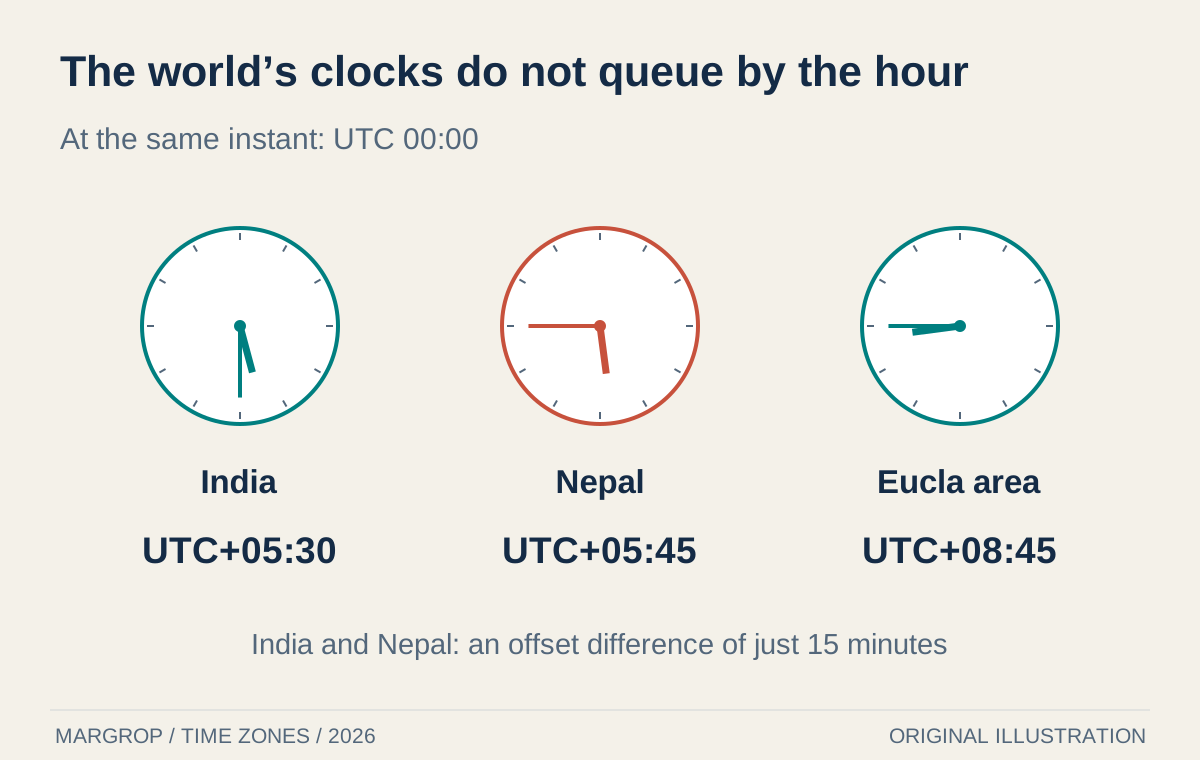
Figure 7: Offsets can contain minutes. India and Nepal differ by 15 minutes rather than a mandatory whole hour.
The school analogy makes this feel less mysterious. One school begins at 8:00, another at 8:30, and a third at 8:45. A simple classroom illustration showing only whole hours does not make the other schools’ schedules invalid.
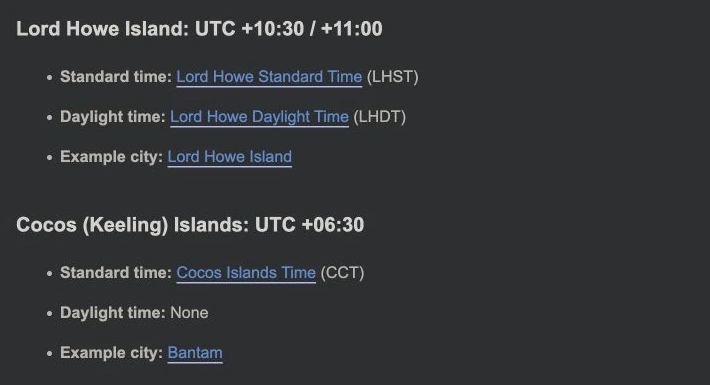
Figure 8: Real browser screenshot from Half Hour and 45-Minute Time Zones, captured September 8, 2026. The selected entries include Lord Howe Island; the article’s specific examples were also checked against IANA data.
This explains why a world map and a ruler cannot reliably tell you every place’s current civil time. Longitude explains why time differences arise; local rules determine what the clocks actually display.
7. UTC+14 does not lengthen the day, and the date line is not a time machine
The first encounter with UTC+14 often produces a reasonable question: “Wasn’t the eastern end supposed to stop at +12?”
Once again, geometric divisions and civil date choices are different layers. The International Date Line runs roughly through the Pacific near 180° longitude, but it is not an unavoidable straight scratch on the planet.
Countries and territories consider the administrative and economic connections between their islands. They may prefer closely connected communities to share the same date. The line consequently bends around some places, and the real collection of offsets cannot be contained by the ideal −12-to-+12 label list.
UTC+14 means that the local date-time representation is 14 hours ahead of UTC. It does not give residents 14 extra hours of life each day.
Fix one instant: September 8, 2026, at 10:30 UTC.
| Offset | Local date and time at that same instant |
|---|---|
| UTC−12 | September 7, 22:30 |
| UTC±00 | September 8, 10:30 |
| UTC+14 | September 9, 00:30 |
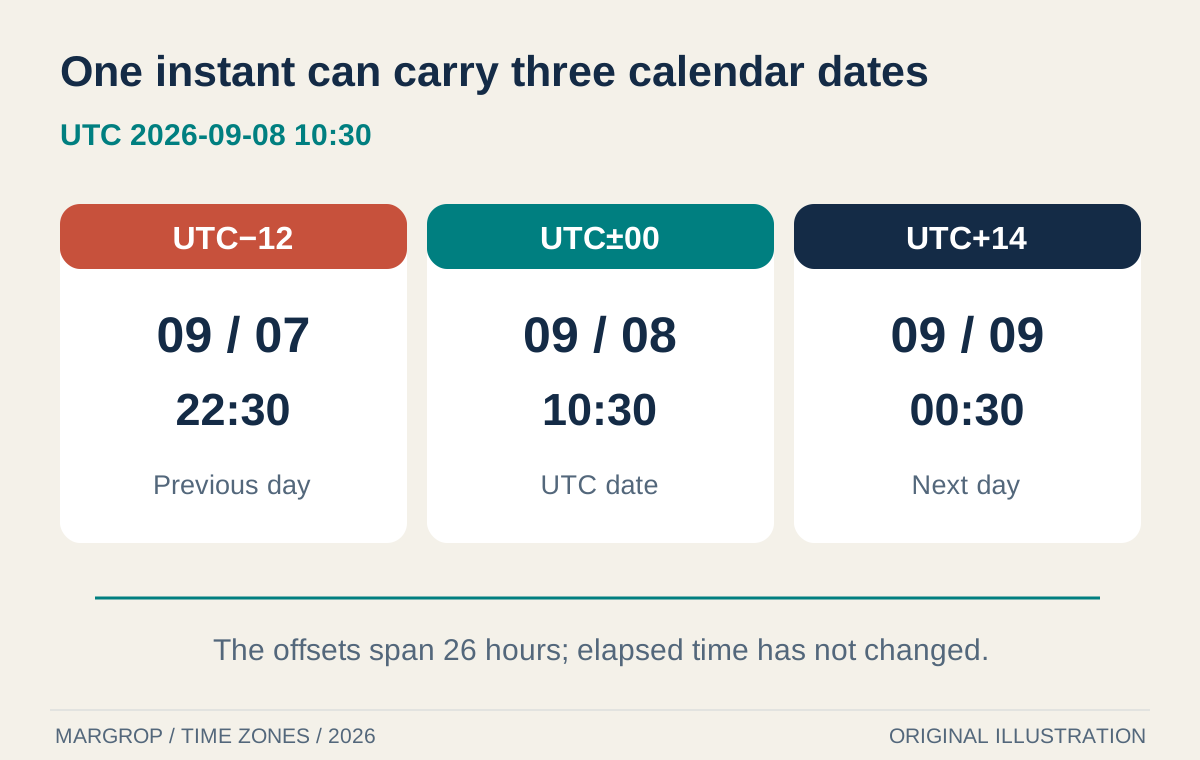
Figure 9: One instant can correspond to three calendar dates. These conversions were checked using fixed offsets; they do not imply different rates of time.
Think of dates as page labels in exercise books. Three children are writing during the same second, but their rules for turning the page place their work on pages labeled “7,” “8” and “9.” The label changes; the second itself does not.
UTC−12 and UTC+14 span 26 hours of offset. Even using inhabited places, Pago Pago at UTC−11 and Kiritimati at UTC+14 can differ by 25 hours in their date-time representations. That does not turn an ordinary day into 25 or 26 hours, and crossing the Pacific does not grant extra lifespan.
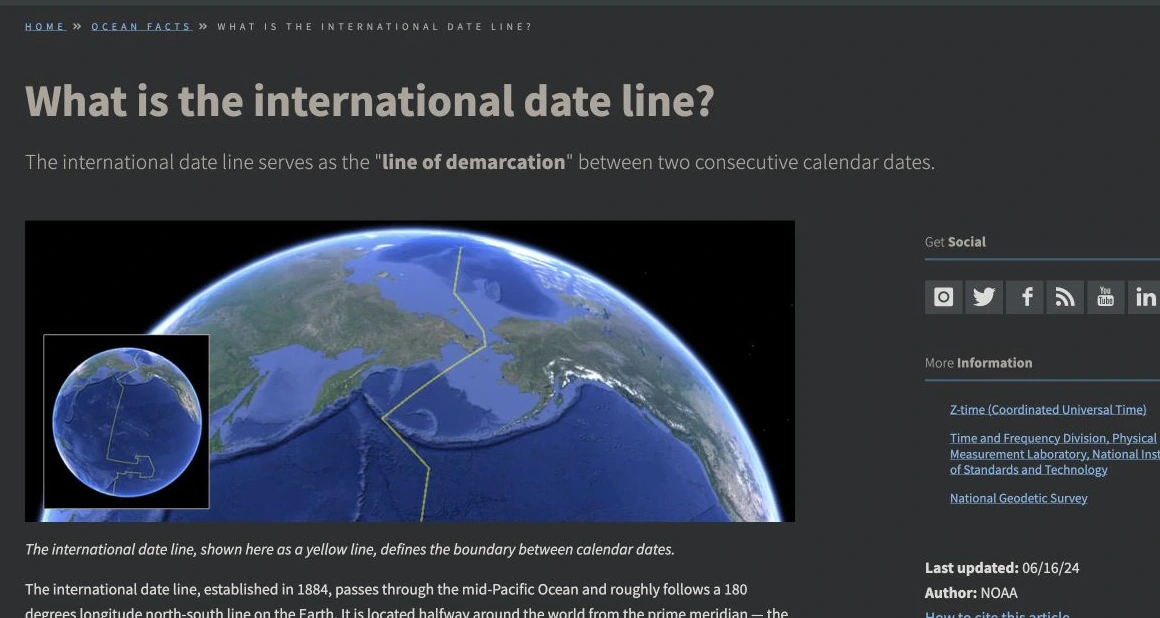
Figure 10: Real browser screenshot from NOAA: What is the international date line?, captured September 8, 2026. The original page’s map and attribution remain in the screenshot.
NOAA also notes that the International Date Line has no legal international status: countries can choose the dates they observe. A line on a time-zone map should therefore not be mistaken for an immovable natural border.
8. The more practical trap: the clock changes during the year
Daylight saving resembles a school switching to a summer timetable. Advancing the clock changes how the usual labeled working hours relate to daylight. It does not manufacture an extra hour of sunshine.
Under New York’s current rules, standard time is UTC−05:00 and daylight time is UTC−04:00. The identifier America/New_York does not need a new name when that happens. Its rules simply produce a different offset for the relevant dates.
NIST’s daylight-saving explanation lists March 8 and November 1 as the 2026 transition dates for US regions following these rules.
In New York:
- On March 8, 2026, local time jumps from 01:59:59 to 03:00:00. 02:30 does not exist that day.
- On November 1, 2026, the clock returns to 01:00:00 after 01:59:59. 01:30 happens twice that day.
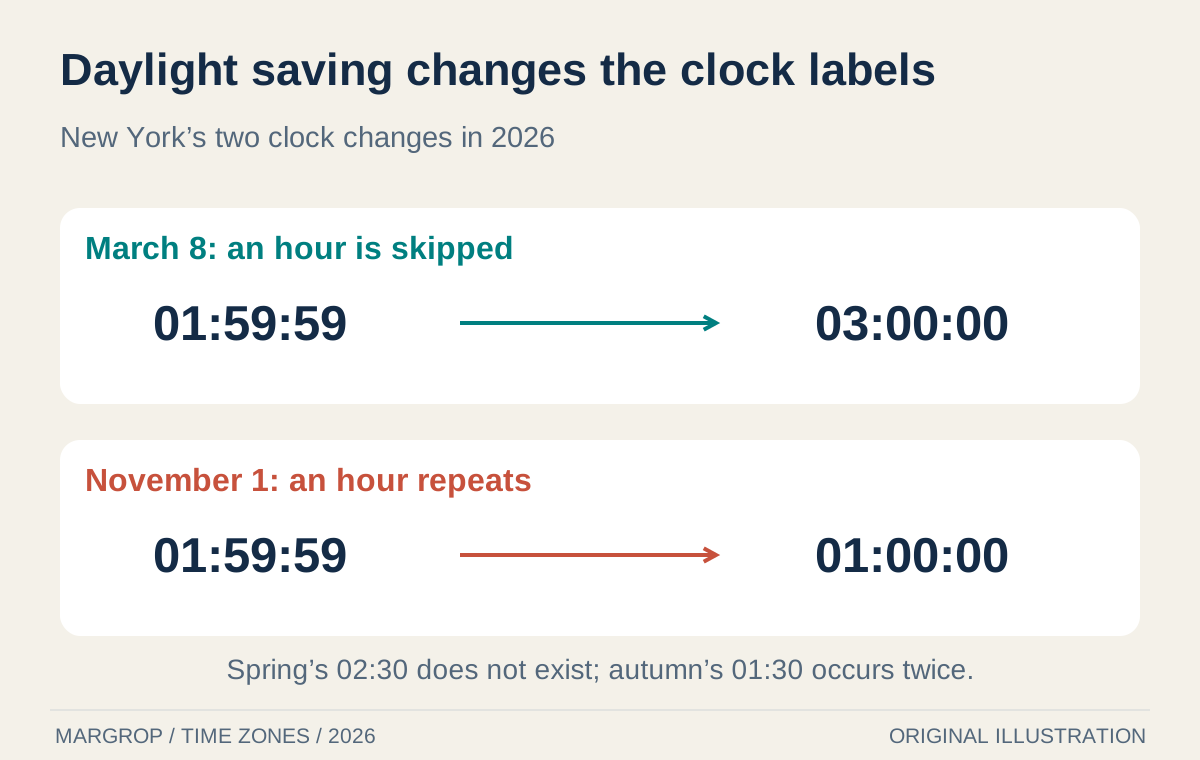
Figure 11: A specific example from New York, not a universal rule for every country. Lord Howe Island’s adjustment is not one hour.
How do we distinguish the two occurrences of 01:30? Include the offset:
2026-11-01 01:30 −04:00corresponds to05:30 UTC.2026-11-01 01:30 −05:00corresponds to06:30 UTC.
They are one hour apart, not the same instant. Both conversions were verified with IANA 2026c.
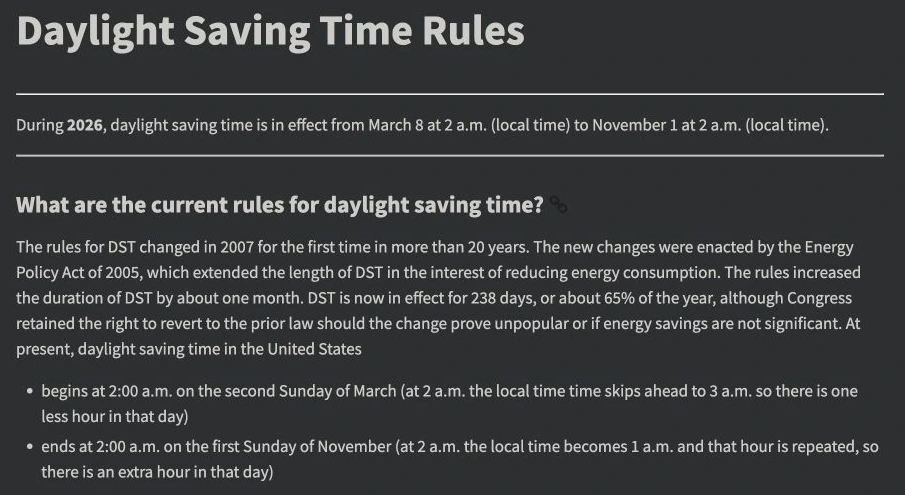
Figure 12: Real browser screenshot from NIST Daylight Saving Time Rules, captured September 8, 2026.
This matters beyond travel. An earlier post discussed a MySQL HOUR_OF_DAY exception involving daylight-saving conversion. The connection is that a civil date and time does not always map neatly to one real instant. That does not mean every database date error is caused by daylight saving.
Keep two different phenomena separate: the previous section’s 26-hour span between worldwide offsets and this section’s 23- or 25-hour local civil day around a clock change have different causes.
9. Why a computer lists hundreds of zones: it keeps the timetable archive
Suppose two classes both start at 8:00 today. One moves to 7:00 in summer; the other never changes. Today’s bell makes their schedules look identical, but a calendar covering the whole year needs two separate timetables.
America/Denver and America/Phoenix provide a straightforward example. Under the current 2026 rules:
| Representative location | Mid-January | Mid-July |
|---|---|---|
| Denver | UTC−07:00 | UTC−06:00 |
| Phoenix | UTC−07:00 | UTC−07:00 |
They match in winter and differ in summer. A shared offset on one date is not enough to merge their rule sets.
History adds another reason for separate records. Two places might now agree all year but have followed different rules in a previous year. Software interpreting old records may still need to distinguish them.
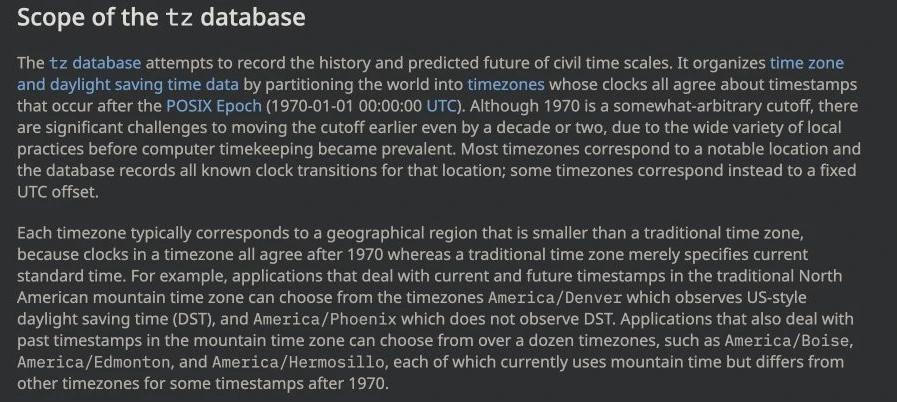
Figure 13: Real browser screenshot from IANA Theory and Pragmatics, captured September 8, 2026.
IANA’s main partitioning principle focuses on agreement in timekeeping since 1970. It also records some earlier history, but does not promise complete, precise reconstruction of every early local practice worldwide.
That helps explain why a computer can offer hundreds of choices. Some names are aliases retained for older software. Operating systems, database versions and user-interface choices can also produce different menu lengths.
The 312 records counted here belong specifically to zone1970.tab in release 2026c. They are not an official declaration that the world has 312 time zones, nor a requirement that every operating system display 312 options.
10. Questions that usually come next
Was the geography textbook wrong?
If the passage describes 24 ideal bands, each 15 degrees wide, it is valid. If someone interprets that as “the world currently uses only 24 civil offsets, all separated by whole hours,” that interpretation is invalid.
Judging a particular book requires its actual wording. A model can simplify reality; problems arise when we use it beyond its scope.
Is “there are 25 time zones” a good standard answer?
Not without qualification. It might refer to counting both ends of the −12-to-+12 list. Someone could also be discussing two specific places whose local date-time representations differ by 25 hours. Neither statement automatically counts the world’s actual time zones.
Why does Beijing time often appear as Asia/Shanghai?
IANA generally names geographic rule sets after representative locations, and established names remain stable for compatibility. Its naming principles explicitly use the choice of Asia/Shanghai rather than Asia/Beijing as an example.
This does not declare Shanghai the owner of Beijing time. A software identifier and an everyday name serve different purposes. Beijing time currently uses UTC+08:00; it is not a local solar clock recalibrated to Beijing’s Sun each day.
Is UTC the same as London’s local time?
No. UTC is the common reference and does not advance with British Summer Time. London normally uses UTC+00:00 in winter and UTC+01:00 during British Summer Time. Remembering that UTC is not London’s year-round wall clock is more useful than treating “Greenwich” as a complete conversion rule.
Could everybody just use UTC?
Technically, yes, and international teams often express times that way. But the conversion would move into daily schedules: one community might start school at “08:00,” another at “00:00.” You would still need to know when the other person is awake or working.
Time zones coordinate a common global reference with local habits. They were not invented merely to give us arithmetic exercises.
What is the most useful thing for an ordinary person to remember?
When arranging an international meeting, specify the date, location or named time zone, and the UTC offset where needed. “Sunday at half past one in the morning” may be ambiguous. “We are always 13 hours apart” may stop being true when the clocks change.
You do not need to memorize hundreds of place names to understand that distinction.
11. Geography class continues when we zoom in
Twenty-four explains the connection between a day and a circle of longitude.
Twenty-five reminds us that an unrolled circle’s labels are not the same as its complete bands, and that dates cannot be discarded.
Thirty-eight describes a snapshot of real offsets under an explicit date and scope.
The hundreds of computer identifiers preserve a longer archive: who used which clock rules, and when.
The next time somebody says “the world has X time zones,” ask what they are counting. That question often gets closer to the truth than answering with another number.
References and image notes
Sources and screenshots consulted on September 8, 2026. The offset calculation uses IANA tzdb 2026c at September 8, 2026, 00:00 UTC. Future policy changes can alter the result.
- IANA: Time Zone Database—database purpose and reasons for updates.
- IANA: Release 2026c—the official release used for the independent calculation.
- IANA: Theory and Pragmatics—rule-set boundaries, the 1970 scope, representative locations and aliases.
- timeanddate: How Many Time Zones Are There?—the 24-band model and the dated listing of 38 offsets.
- timeanddate: Half Hour and 45-Minute Time Zones—illustrative non-whole-hour examples, with this article’s specific examples separately checked against IANA.
- NOAA: What is the international date line?—date choices and the line’s bends.
- NIST: Daylight Saving Time Rules—US transition dates and the skipped and repeated hours.
The article contains 13 body images: seven original generated SVG illustrations and six real webpage screenshots. Original diagrams are offered under CC BY 4.0. Third-party screenshot content remains the property of its respective sources and is included for directly relevant explanation and quotation. Screenshots were only cropped and converted to WebP; reconstructed webpages, simulated terminals and generated pictures are not presented as real screenshots. The image provenance record and offset audit data accompany the article.